
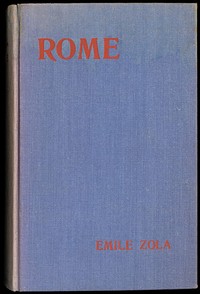
De drie steden: Rome by Émile Zola
So I finally got around to reading Émile Zola's *Rome*, the second book of his *Three Cities* trilogy. If you think your job is tough, meet Pierre Froment – young priest, total firebrand, wrote a book that a Pope might not like. All I can say is: it’s a wild ride through marble halls and back alleys.
The Story
Pierre Froment is a priest who cares deeply about the poor. So deeply, in fact, that he writes a book called *New Rome*, where he says the Catholic Church needs to go back to its simple, humble roots and drop all this show-off wealth and politics.
Cool right? Except Papa Leo XIII is not at all amused. Pierre gets called to the Vatican, basically on a 'cease and desist' notice. What follows is his crazy pilgrimage through the real Rome: from grimy slums to a palace stuffed with art, from meeting a starving artist to dining with a count who wants to invent a new religion. Pierre keeps thinking, 'When do I get to see the Holy Father? Time’s running out, his book’s about to be blocked!' And the frustration just builds like sweat on a hot afternoon in July.
Why You Should Read It
Honestly, this book felt weirdly modern. Pierre is this idealist who has a radical idea, puts it out there, and then runs straight into a machine that has been saying 'we already know best' for a thousand years. It’s the story of wanting to fix something you love, only to have the boss say 'shut up and sit down.'
What got me is Zola’s description of Rome. He doesn’t just see old ruins. He sees a city pretending to be holy but totally wrapped up in prestige, real estate deals, and politics. It’s a clash of two Romes – a church of power and a church of compassion. Then there's the contrast: the glowing, holy idea of the city versus the dusty, scam-filled reality. If you’ve ever cared about something too much and been crushed by a system too big to change, this book is for you.
Final Verdict
Pick this up if you enjoy a dramatic, deeply emotional story about faith under pressure. It’s perfect if you love philosophical fiction, simmering frustration, and a main character whose heart is just so, so desperate. Sure, slower bits could have been cut, but it leads to an incredible, world-shifting finale. Think less of a history lecture, more of a powerful novel where one person’s fire meets a wave of institutional resistance. You *will* root for Father Froment.”
Legal analysis indicates this work is in the public domain. Share knowledge freely with the world.






Jennifer Johnson
7 months agoI was skeptical about the depth of this book at first, but the evidence-based approach makes it a very credible source of information. This exceeded my expectations in almost every way.