
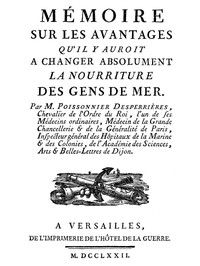
Mémoire sur les avantages qu'il y auroit à changer absolument la nourriture des…
So, you pick up this book expecting maybe an old-timey recipe pamphlet. What you get is something completely different. The Chevalier de La Coudraye isn't just suggesting a dietary tweak; he's proposing a total food system overhaul for France.
The Story
There isn't a narrative in the traditional sense. Instead, the book is a structured argument. La Coudraye lays out the problem first: France relies on wheat, and when wheat harvests fail (which they often did), people starve and riot. He then introduces his hero—the potato. He goes into detail about its nutritional value, how much easier and more reliably it grows compared to grain, and how it could feed more people with less land. The real 'plot' is his campaign against public prejudice. He has to convince a nation that views potatoes as animal feed or, worse, as potentially poisonous, that this tuber is their salvation. He's not just writing to farmers; he's aiming his words at government officials, trying to get them to mandate and promote potato cultivation nationwide.
Why You Should Read It
What hooked me was the sheer urgency in his writing. You can feel his frustration. He has the solution, he knows it works (citing other European countries), and he can't understand why no one is listening. Reading it with the knowledge of the French Revolution happening just years later adds a layer of tragic irony. This isn't a dry academic paper; it's a plea. It makes you think about how deeply our food choices are tied to culture, politics, and survival. The 'characters' are the potato, the stubborn French public, and the author himself—a man trying to shout sense into a world on the brink.
Final Verdict
This is perfect for anyone who loves odd slices of history, foodies interested in the stories behind what we eat, or readers who enjoy primary sources that show how people in the past grappled with real, immediate crises. It's not a long read, but it's a fascinating look at a moment when someone believed changing what was on everyone's dinner plate could literally change the course of a nation. If you like ideas that are both simple and revolutionary, served with a side of 18th-century passion, dig in.
Legal analysis indicates this work is in the public domain. You can copy, modify, and distribute it freely.
Edward Wilson
1 year agoSimply put, the plot twists are genuinely surprising. Thanks for sharing this review.
Deborah White
4 months agoI didn't expect much, but the depth of research presented here is truly commendable. A valuable addition to my collection.






Patricia Walker
1 year agoThis is one of those stories where it challenges the reader's perspective in an intellectual way. One of the best books I've read this year.